
Memorial Day is a time to remember and honor the men and women who gave their lives in military service to our country. Some died in war time, others died in peacetime. Some died in foreign lands, others died right here at home. We also remember service members who through their injuries, exposure to toxins, or wartime experiences had lives that ended too soon even though they made it home alive. Their sacrifice is the highest price that can be paid for the opportunities we have as Americans. Today, we remember them, honor them, and most if all, should be thankful for the lives that they lived and the sacrifice that they made for us.
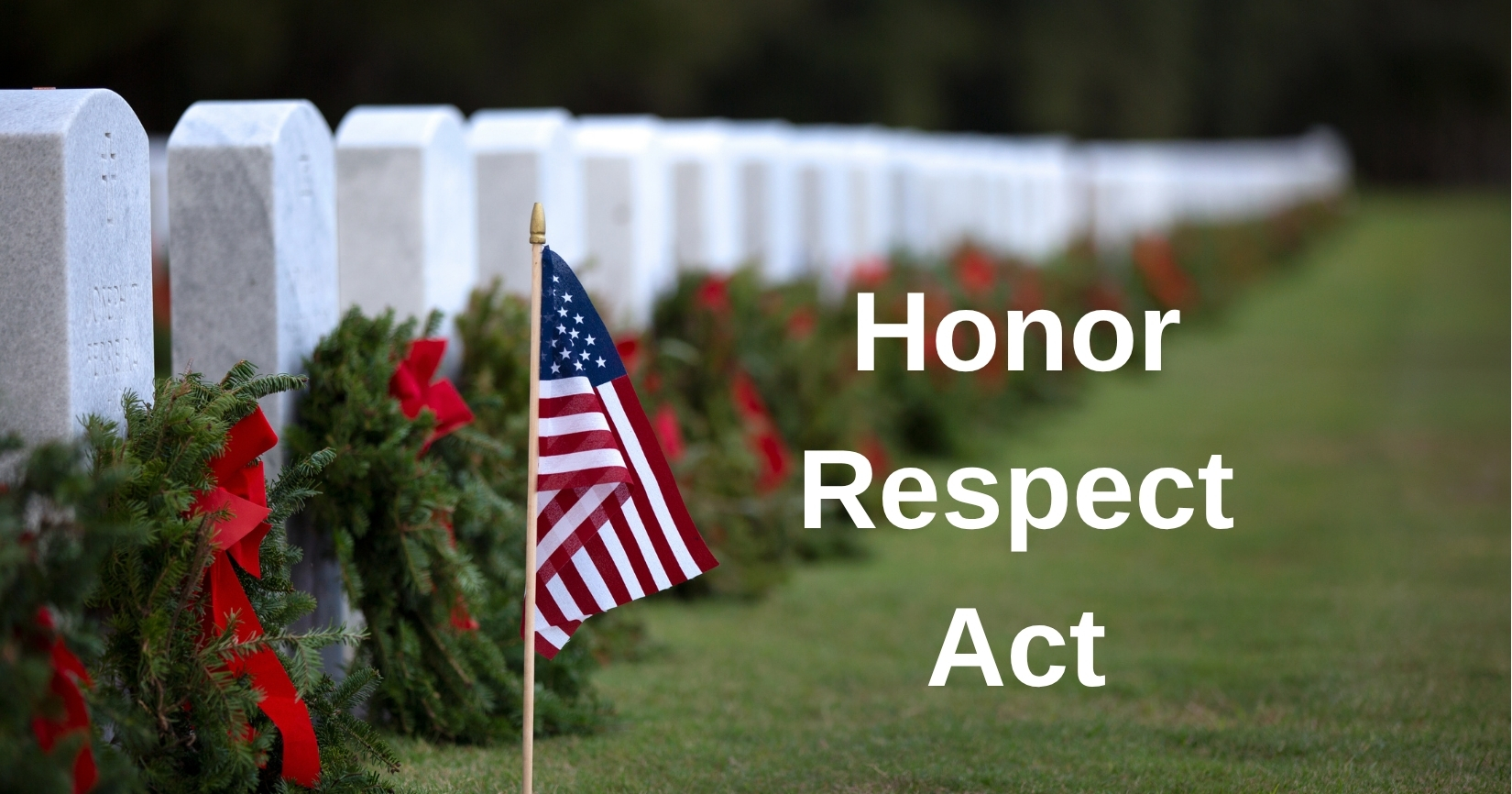
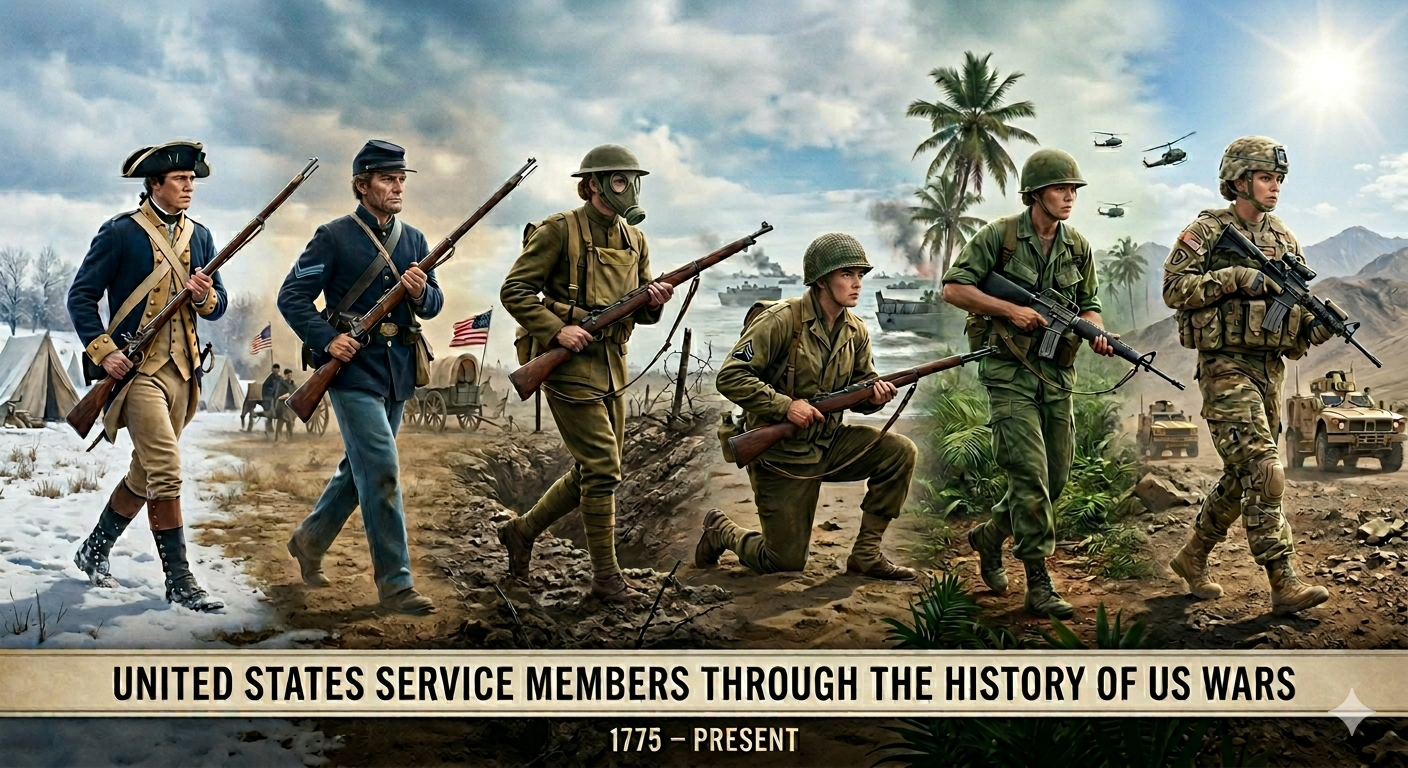
Over 1.3 million American service members have died in major U.S. wars and conflicts since the American Revolution. Many more survived on foreign shores but brought wounds of the body and spirit home with them and ultimately resulted in service related deaths.
Honor & Respect
Memorial Day is a federal holiday that celebrates and honors the men and women who died while serving in the U.S. military. Memorial Day was originally called Decoration Day in 1868 and for 50 years it was a day of remembrance honoring the 620,000 soldiers who gave their lives during the Civil War. In 1971, it was expanded to honor fallen soldiers from all wars and became the Memorial Day federal holiday we know today.
The last Monday in May is more than a time for picnics and celebrations. It is a time to remember the men and women who served our country and did not make it back home. They defended our country, supported our allies, liberated the oppressed, and fought for our freedoms. Some volunteered, some were drafted, but all made the ultimate sacrifice. They left behind families and friends who mourn them, and a nation that owes a debt it can never repay. What we can do, is honor them by respecting their sacrifice and living in a way that demonstrates the values they gave their lives to defend.
Valley Forge National Historic Park Encampment. During their six-month stay on what is today a historic site, General George Washington and his troops built hundreds of log cabins, each housing a dozen men. Valley Forge was the winter encampment of the Continental Army, under the command of George Washington, during the American Revolutionary War. The Valley Forge encampment lasted six months, from December 19, 1777, to June 19, 1778.
ID 448276251 | National © Redwood8 | Dreamstime.com
Even before we declared our independence in 1776, Americans were giving their lives for our country.
During the Revolutionary War (1775–1783): Approximately 4,435 battle deaths versus an estimated 10,000 or more disease-related deaths. George Washington spent the winter of 1777-1778 in Valley Forge, Pennsylvania. It is estimated that 2,000 of his troops lost their lives to exposure and disease in a few short months.
The trend of disease being the most deadly foe continued during the War of 1812 (1812–1815) where 2,260 battle deaths were reported compared to significantly higher mortality rates from diseases like dysentery. In the Mexican-American War (1846–1848): there were 1,549 battle deaths recorded compared to 10,986 deaths from disease (nearly 88% of all U.S. deaths).
The American Civil War (1861–1865) is still the deadliest conflict in U.S. history. It resulted in approximately 215,000 combat-related fatalities, while nearly 400,000 troops died from diseases like typhoid, malaria, and dysentery.
In the Spanish-American War (1898) there were 385 battle deaths compared to 2,061 deaths from disease.
World War I (1917–1918) had 53,402 U.S. battle deaths compared to 63,114 non-combat deaths, driven primarily by the global 1918 Spanish Flu pandemic.
Turning the tide in the battle against infectious disease.
The tide began to turn in World War II as sulfa drugs, antibiotics that could prevent and treat infections, became widely used. With a growing understanding of the benefits of basic sanitation and public health, diseases like dysentery began to decline. We began to win the war against disease, but other weapons of war were becoming more lethal shifting the primary cause of war-related deaths to combat and hostile action.
- World War II (1941–1945): 405,399 total military deaths
- Korean War (1950–1953): 36,574 total deaths.
- Vietnam War (1965–1973): 58,220 total deaths.
- Persian Gulf War (1990–1991): 383 total deaths.
- Operation Enduring Freedom / Iraq War (2001–2021): Around 7,000 U.S. service members died in hostile operations, with combat being the overwhelmingly dominant cause of death during deployment.
Chemical exposure brings the cost of conflict home
Chemical exposure during military service has been linked to a wide range of chronic and acute health issues, ranging from respiratory diseases and various cancers to neurological and mental health disorders. For decades, Veteran Advocates fought to expand the list of “presumptive conditions,” which are illnesses the VA automatically assumes were caused by service-related toxic exposure.
The PACT Act in 2022 expanded the VA health care and benefits for Veterans exposed to burn pits, Agent Orange, and other toxic substances. This law provides generations of Veterans—and their survivors—with the care and benefits they’ve earned and deserve.
Battle and the Mind
Addiction, or substance use disorder (SUD), is a mental health and chronic brain disorder. The use of morphine and later heroin was a blessing in the treatment of severe battlefield injuries, but it also created a crisis of its own. Highly addictive, too many survivors faced new challenges when returning home. The trajectory of veteran addiction and self-harm from WWII to the present highlights an evolution from hidden, stigmatized trauma to a recognized public health crisis. Millions of veterans have returned home carrying the invisible wounds of war, often relying on alcohol and drugs as a desperate means to self-medicate. Recent national reports reveal that roughly 14% of all U.S. veterans (about 2.8 million individuals) struggle with a substance use disorder.
The VA reports that growing evidence highlights the intersection of substance use and suicidal behaviors in military personnel and Veterans. Of the psychiatric disorders that have been linked to suicide in VHA patients, SUDs represent one of the strongest risk factors for death by suicide.
Traumatic brain injury (TBI) is a signature injury for many military veterans, with conditions ranging from mild concussions to severe polytrauma. While brain injury has been a health challenge since battles began, modern warfare has created a wider and more prevalent impact.
Brain trauma can damage pathways responsible for how we think and remember. It can affect how we reason and view the world around us making complex problem-solving and emotional control extremely difficult. Studies have shown that a history of TBI directly contributes to social isolation and relationship breakdown. The loss of a stable supportive network combined with functional impairments prevents veterans from successfully integrating back into civilian life, compounding the risk of a psychological crisis.
A military-related TBI significantly elevates the risk of developing secondary mental health conditions, which act as primary drivers for suicidal thoughts and behaviors, Veterans with a TBI are highly susceptible to developing major depressive disorder (MDD), post-traumatic stress disorder (PTSD), and substance abuse disorder order. While PTSD alone increases suicide risks, veterans carrying both a TBI and PTSD face a 3.3 times greater likelihood of a suicide attempt than those coping with TBI alone .Chronic Pain and Post-Traumatic Headaches (PTH): Dealing with unmanaged, daily pain frequently leads to feelings of hopelessness. Veterans diagnosed with post-traumatic headaches have a 45% higher risk of suicidal thoughts and a 66% higher risk of suicide attempts.
Active Service Members, Veterans, and family members can access specialized treatments, rehabilitation, and disability compensation are available through the Department of Veterans Affairs (VA).
In addition the Veterans Crisis Line is available 24/7.
- By Phone: Dial 988 then Press 1
- Chat online at VeteransCrisisLine.net/Chat, or text 838255.
PTSD, Post Traumatic Disorder, is not new, but our recognition and treatments have evolved. Since 1980, PTSD is recognized as a condition that affects both veterans and civilians. During the Civil War traumatized soldiers were often diagnosed with “soldier’s heart” or “irritable heart”. The term “shell shock,” as they called it after World War I, was initially believed to be a physical brain injury caused by exploding artillery shells, and was later recognized as psychological. “Combat fatigue” or “war neurosis” was thought to be linked to the prolonged stresses of continuous deployment during World War II & Korea. It was not until Vietnam War veterans returned and fought for help that we started to formally develop a broader understanding of severe trauma.
A recent 2025–2026 report out of the National Health and Resilience in Veterans Study (NHRVS) revealed a notable rise, indicating that weighted lifetime PTSD prevalence among U.S. veterans has reached 14.4%, with 7.3% experiencing past-month symptoms. The rate varies significantly depending on service era, gender, and whether the veteran accesses VA healthcare. Veterans who served in more recent conflicts report significantly higher rates of lifetime PTSD compared to older generations:
- Operations Iraqi Freedom (OIF) & Enduring Freedom (OEF): About 29%.
- Persian Gulf War (Desert Storm): About 21%.
- Vietnam War: About 10% to 17%.
Veterans with PTSD face a significantly elevated risk of suicide. Studies show veterans diagnosed with PTSD are up to four times more likely to experience suicidal ideation than those without, and PTSD is a contributing factor in roughly 27% of all veteran suicides according to the National Center for PTSD
Addressing Veteran Suicide is a national priority. Some resources available for Veterans and their loved ones include:
- Veterans Crisis Line: dial 988 then Press 1 OR chat online at VeteransCrisisLine.net/Chat, or text 838255.
- The VA Safety Plan App.
- Don’t Wait. Reach Out.
- The Crisis Conversation Handout.
- VA S.A.V.E. Training.
Words matter. What we do matters more.
The cost of war doesn’t always show up immediately, and it doesn’t always look the way we expect. If we send them, we must mend them. -Tom Eisiminger, Jr. MBA
Lieutenant Colonel, USA (ret), President, Veterans Medical Leadership Council
Congressional and legislative support of Veterans Programs, the Veterans Administration, and research are some of the ways that we can begin to pay the debit we owe to those who served and are only with us in spirit today.
Arizona researchers and entrepreneurs are working on developing and delivering solutions to help service members and veterans with the help challenges we can see and those that dwell inside.
Groups like the Veterans Medical Leadership Council (VMLC) exist to improve the quality of the health and welfare of veterans in Arizona. VMLC is an Arizona-based nonprofit that serves as a safety net for veterans on the verge of crisis, specifically working to “stop the spiral” of veteran suicide and homelessness. VMLC aims to prevent the downward spiral—such as the loss of a job, a home, or mental health—before it reaches the point of crisis or suicide.
And there is something that all of us can do, VOTE. They died and suffered to protect our democracy and our ability to shape our future. We owe it to them to exercise our rights and to be true to the American values they fought for.
###
Joan Koerber-Walker, Memorial Day, May 25, 2026